
A Step-by-Step Guide to the Home Elevator Installation Process From Permit to First Ride
For homeowners looking into installing a home elevator, uncertainty is often the biggest hurdle. The elevator installation process can feel complex and difficult to visualize, especially in older Central New York homes where layouts, infrastructure, and local codes all influence what’s possible. This guide walks through each step from the first consultation to the first ride, helping you understand what to expect and move forward with clarity and confidence.
Why the Elevator Installation Process Feels Overwhelming at First
The idea of installing a home elevator often brings up questions and concerns about construction, permits, timelines, and disruption. Many homeowners worry that the process will be unpredictable or more invasive than expected.
In reality, installing a home elevator follows a structured, phased approach. Each step builds on the previous one, with clear checkpoints along the way. Working with a local elevator contractor that Syracuse residents rely on makes this process far more manageable, especially when navigating regional housing styles and municipal requirements.
Step 1: Initial Consultation and Home Assessment
Every successful elevator installation process starts with a thorough in-home evaluation. This visit sets the foundation for everything that follows and helps avoid surprises later.
What Professionals Evaluate Right Away
When an experienced elevator contractor enters a home for the first consultation, several factors are assessed immediately that homeowners often overlook. Ceiling heights, floor-to-floor distances, and available vertical space are critical. Existing hoistways are evaluated if present, and if none exist, the feasibility of creating one is reviewed.
Many homeowners assume they can simply stack closets to create space, but that approach does not work for every elevator type. Structural limitations, load paths, and code requirements often determine whether that option is viable. Older homes in Syracuse and surrounding communities frequently contain ductwork, plumbing, and electrical systems that must be carefully mapped before plans move forward.
Understanding Goals and Usage
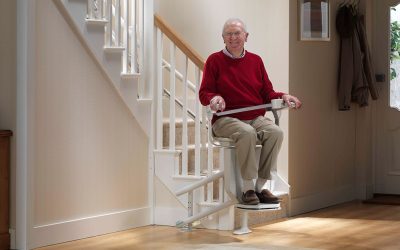
Beyond physical space, the consultation focuses on how the elevator will be used. Mobility needs, wheelchair access, daily usage frequency, and long-term plans all influence the recommended system. Adding an elevator to the home for aging in place requires different considerations than installing one primarily for convenience or resale value.
This early conversation ensures the design aligns with both the home and the homeowner’s priorities.
Step 2: Selecting the Right Elevator System
Once the home assessment is complete, the next phase involves choosing the appropriate elevator type. This decision shapes the timeline, construction needs, and overall experience.
Matching Elevator Type to the Home
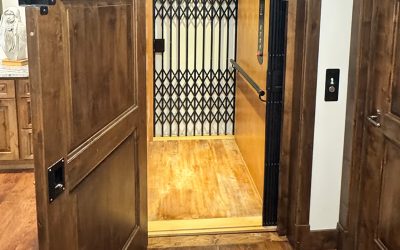
In Central New York, many installations involve existing homes rather than new construction. Shaftless or through-the-floor models are often preferred because they require less structural modification than traditional systems. These options work well in homes with limited space or complex layouts.
Traditional elevators, cable-driven systems, or other configurations may still be appropriate depending on ceiling height, available footprint, and customization goals. An experienced elevator contractor in Syracuse can explain why certain options fit better than others rather than pushing a single solution.
Design and Configuration Decisions
This stage also includes early design discussions. Cab size, door configuration, entry locations, and travel distance are all finalized here. Design decisions affect both function and scheduling, since certain customizations can influence equipment lead times.
Careful planning during this phase supports the principle of measure twice, install once. Solid decisions here prevent delays later in the elevator installation process.
Planning an elevator project does not have to feel overwhelming. If you are considering installing a home elevator, exploring the right system early can make every step smoother. View Syracuse Elevator’s home elevator options to see which designs, layouts, and configurations may be the best fit for your home and long-term needs.
Step 3: Navigating Elevator Permits and Local Code Requirements
Permitting is one of the most misunderstood aspects of installing a home elevator. While it may sound daunting, elevator permits are a standard and manageable part of the process when handled correctly.
Syracuse and Central New York Permitting Expectations
Elevator permits vary by municipality, and Syracuse-area requirements differ from national averages due to the high number of older homes. Permits typically involve local building departments and state-level oversight, depending on the system type.
Because many homes are retrofits rather than new builds, inspectors pay close attention to structural integrity, electrical safety, and compliance with current codes. A local elevator contractor experienced in older homes will understand these nuances and prepare documentation accordingly.
Inspections and Approvals
Inspections are scheduled at specific milestones and are designed to ensure safety and reliability. These checks are part of what protects homeowners long term and confirms the system meets all applicable standards. When handled proactively, inspections rarely cause delays.
Step 4: Site Preparation and Construction
With permits approved and equipment selected, the project moves into site preparation. This is where homeowners often worry most about disruption, yet this phase is usually more controlled than expected.
Structural and Electrical Work
Preparation may involve framing, floor openings, electrical upgrades, or coordination with other trades. In older homes, unexpected infrastructure like hidden ducts or pipes may require adjustments, which is why early assessments matter so much.
Some projects require collaboration with architects or general contractors, especially when structural changes are needed. Turnkey coordination helps keep schedules aligned and reduces homeowner stress during this phase of the elevator installation process.
Communication During Preparation
Clear communication is essential here. Homeowners are kept informed about what work will occur, how long it will take, and what access is required. This transparency helps maintain trust and keeps the project moving smoothly.
Step 5: Elevator Installation and System Setup
Once the site is ready and the equipment arrives, installation begins. This phase is often faster than homeowners expect.
What Installation Typically Looks Like
For most residential projects, on-site installation by the elevator team takes between one and five days. The exact duration depends on the elevator type, home layout, and level of customization involved.
During this time, rails, cab components, doors, and controls are installed according to approved plans. Precision is critical, as every component must align perfectly for safe operation.
Testing and Calibration
After installation, the system undergoes detailed testing and calibration. This ensures smooth operation, proper leveling, and responsive controls. Testing is a key part of the elevator installation process and helps confirm the system is ready for inspection and daily use.
Step 6: Final Inspection and First Ride
Before the elevator can be used, a final inspection confirms everything meets code and safety standards.
Safety Checks and Approval
Inspectors verify that all components function correctly and that the installation complies with approved plans and elevator permits. Once approved, the elevator is officially cleared for use.
Homeowner Orientation
After approval, homeowners receive a full walkthrough of the system. This includes operation instructions, safety features, and basic maintenance guidance. The first ride marks the completion of the elevator installation process and the beginning of daily convenience.
Typical Timelines for Installing a Home Elevator
Understanding timelines helps set realistic expectations and reduces anxiety.
Equipment Lead Times
One of the biggest variables is equipment lead time. Custom systems or specialized configurations may take longer to arrive, while standard models move faster.
Construction and Installation Timing
From initial consultation to first ride, most projects span several months. The actual on-site installation is short, but planning, permitting, and preparation account for much of the timeline. Seasonal factors like winter weather can also influence scheduling in Central New York.
How Older Homes Differ From New Builds
Older homes present unique challenges during the elevator installation process. Limited space, lower ceiling heights, and existing mechanical systems all require careful planning.
New builds allow for easier integration since elevator space can be designed from the start. Retrofitting older homes demands experience, flexibility, and problem-solving skills, which is why local expertise matters so much when adding an elevator to a home in this region.
Common Causes of Delays and How They’re Avoided
Delays typically stem from equipment lead times, contractor availability, or unexpected infrastructure issues. Early assessments, detailed drawings, and clear communication help prevent these problems.
Start Planning Today With Syracuse Elevator
Understanding the elevator installation process makes installing a home elevator far more approachable when each step is guided by local expertise. Syracuse Elevator helps homeowners plan with confidence by managing evaluations, elevator permits, and every phase of the project from start to finish. If you’re adding an elevator to your home for accessibility or long-term convenience, contact Syracuse Elevator today to schedule a consultation and take the first step toward a solution designed for your home and your future.