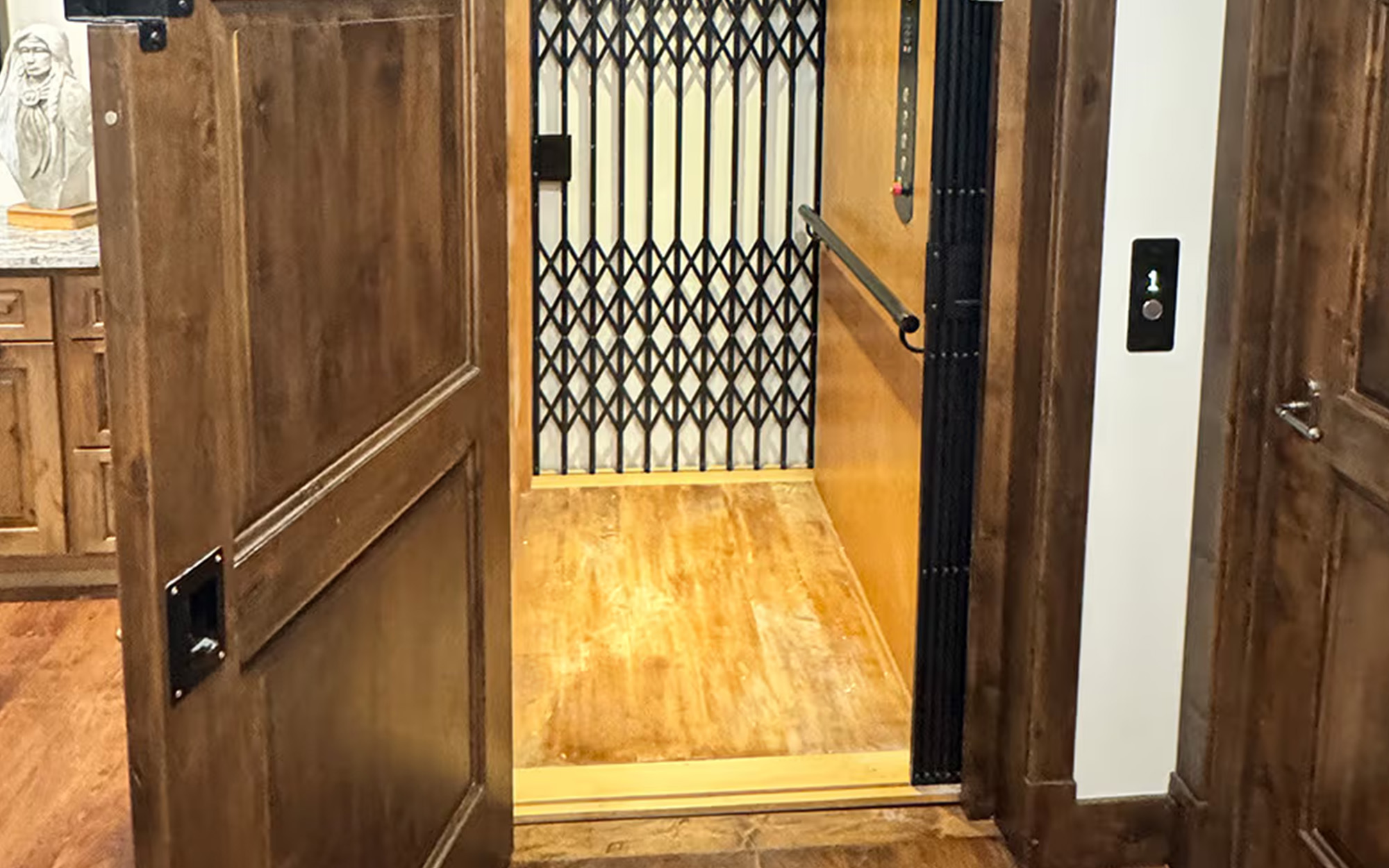
Custom Home Elevator Options for Central New York Homes
You’ve lived in your home for twenty or thirty years. Maybe longer. Your kids grew up on the second floor, holidays happen in the basement, and you know every creak in the staircase by heart. The last thing you want to think about is leaving. So don’t.
A home elevator for aging in place isn’t something most families consider until someone has a fall or a surgery makes the stairs impossible. But the families who plan ahead are the ones who stay in their homes the longest. If you’re a homeowner in Syracuse, Utica, or anywhere across Central New York, this guide was written for you.
Aging in Place Means Planning Ahead, Not Reacting to a Crisis
Here’s the pattern we see after more than 70 years in the accessibility business: a parent has a fall, an adult child gets a late-night phone call, and within a week the whole family is scrambling to figure out how to keep Mom or Dad safe at home.
That’s crisis mode. We’d rather help you avoid it entirely.
Aging in place is a long-term strategy. It means looking at your home now and making changes that support your safety and independence for the years ahead. A home elevator removes the single biggest barrier in most Central New York homes: the stairs.
Most of the housing stock across this region was built in the mid-twentieth century or earlier: split-levels, Cape Cods, raised ranches, and colonials designed around staircases. Stairs that felt routine at fifty start to feel uncertain at sixty-five. By seventy-five, they can become the deciding factor in whether you stay or go. Adding an elevator to an existing home changes that equation entirely.
Understanding Your Home Elevator Options for Aging in Place
Not every home elevator is the same, and not every option fits every house. Here’s a plain-language look at the three main types of small elevators for homes.
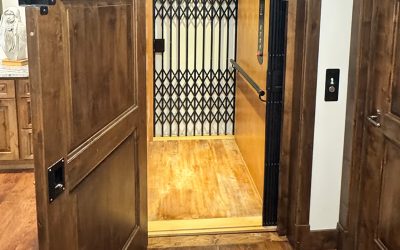
Hydraulic elevators use a fluid-driven piston and are well-suited for homes with two to four floors. They offer a smooth, quiet ride with strong lifting capacity: enough for a wheelchair, a companion, or heavy items. They require a small machine room, which your installer will assess during a consultation.
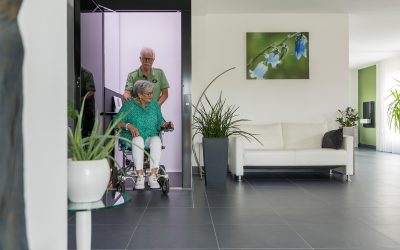
Pneumatic (vacuum) elevators use air pressure inside a clear cylindrical shaft. They don’t require a pit or machine room, and they are self-standing, making them practical when adding an elevator to an existing home where space is tight. They have a smaller footprint and faster installation, but lower weight limits: so if wheelchair access is a current or future need, sizing matters. The PVE 52 is wheelchair accessible.
Cable-driven (traction) elevators use a counterweight system similar to commercial buildings. They’re energy-efficient, support higher weight capacities, and offer the most flexibility in cab size and finishes. Installation is more involved, but the result is a high-performance system that can last decades.
Home Elevators for Aging in Place vs. Stair Lifts: What Makes Sense Long-Term?
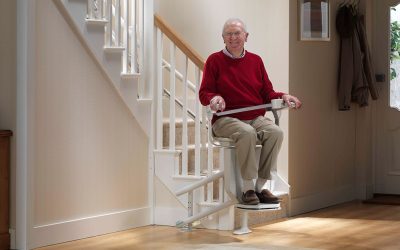
A stair lift carries you up and down while seated. It’s a solid choice for moderate mobility challenges and costs less upfront. An in-home elevator for elderly homeowners moves you and everything you’re carrying between floors in an enclosed cab, with no transfers required.
Stair lifts work well when mobility challenges are moderate and likely to stay that way. Home elevators make more sense when you’re planning for progressive changes, when a wheelchair or walker may enter the picture, or when multiple household members need accessibility support. They also add resale value and accommodate multi-generational living.
If you’re not sure which direction is right, that’s exactly what a free consultation is for. Our team at Syracuse Elevator can help you weigh the options honestly and find the solution that works best for your home.
What Central New York Homeowners Should Know About Installation
Adding an elevator to an existing home sounds like a major renovation, but in many homes across the Syracuse area, it’s more straightforward than you’d expect. Installation typically takes three to five business days once equipment arrives. The process includes an in-home assessment, design and permitting, professional installation of all structural, mechanical, and electrical work, and hands-on training when it’s done.
Central New York has no shortage of older homes built before modern codes existed. That doesn’t mean an elevator isn’t possible: it means the assessment phase matters. Floor joist spacing, headroom clearance, and electrical capacity all need evaluation by someone with experience in the region’s housing stock. This is where local expertise pays off.
Winter Reliability Matters More Than You Think
Central New York winters are long and demanding, and your home accessibility solutions need to perform through all of it.
Battery backup is essential. Power outages happen every winter in this region, and a quality system keeps you from being stranded between floors when the lights go out. Indoor climate affects hydraulic components, so proper installation accounts for heated vs. unheated spaces. And when snow and ice keep you inside for weeks at a time, an elevator that lets you use every floor safely isn’t a luxury—it’s a lifeline.
Your elevator should work as dependably in January as it does in July. That comes down to proper installation, quality equipment, and ongoing maintenance from a local provider who can respond quickly.
Maintenance and Common Misconceptions
A well-maintained residential elevator can last 20 to 30 years or more. Most manufacturers recommend professional service once or twice a year to inspect components, test safety features, and catch small issues early. Syracuse Elevator offers preventative maintenance programs with priority service and extended warranty coverage.
A few things worth clearing up: home elevators aren’t just for mansions: modern small elevators for homes fit average-sized residences throughout Central New York. Installation is far less invasive than most people expect, often fitting into an existing closet or unused corner. And while you may not need an elevator today, planning ahead means choosing on your timeline and your budget instead of scrambling after an emergency..
Take the First Step Toward Greater Mobility With Syracuse Elevator
The best decisions about aging in place happen calmly, with good information, and well before they become urgent. Whether you’re planning your own future or helping a parent navigate theirs, the goal is the same: stay safe, stay independent, and stay in the home you love.
Ready to explore your options? Schedule a free in-home consultation with our team at Syracuse Elevator, the lift company that cares. We’ve been working with elevators since 1999 and offer free, no-obligation assessments. Let’s take a look at your home today.