How Much Does a Home Elevator or Stairlift Cost in Upstate New York?
Pricing out a home elevator or stairlift can feel like guessing. Most companies won’t publish numbers, and the ones that do tend to offer ranges so wide they’re not useful. If you’re trying to budget for a residential elevator or stairlift in Upstate New York, you deserve actual figures and a clear explanation of what drives the final number. Here’s what home elevator costs in Upstate New York look like across the major product categories, what affects your quote, and how the investment compares to the alternatives most buyers are weighing.
What Home Elevators and Stairlifts Cost in Upstate New York
Every product category carries a different price range, and the spread within each category depends on the complexity of your home and the features you select. The table below covers the most common residential accessibility products Syracuse Elevator installs across Central and Western New York.
| Product Type | Typical Price Range | Key Cost Driver |
| Straight stairlift | $3,000 to $5,500 | Single-flight, standard rail length |
| Curved stairlift | $10,000 to $18,000+ | Custom-fabricated rail for each staircase |
| Vertical platform lift (wheelchair lift) | $13,500 to $40,000 | Number of floors, indoor vs. outdoor |
| Pneumatic (vacuum) home elevator | $35,000 to $100,000 | Self-contained unit, minimal construction |
| Hydraulic home elevator | $35,000 to $60,000 | Pit and machine room requirements |
| Cable-driven (traction) home elevator | $35,000 to $60,000+ | Multi-floor capacity, heavier loads |
| Commercial/LULA elevator | $80,000 to $120,000+ | ADA specifications, building code scope |
Why the Curved Stairlift Number Surprises Most Buyers
The gap between straight and curved stairlift cost in Upstate New York catches nearly every homeowner off guard. A straight stairlift uses a standard rail that can be cut to length on-site. A curved stairlift requires a rail that’s precision-manufactured to match your exact staircase geometry, including every turn, landing, and angle. That custom fabrication is what pushes the price from $5,000 to $15,000 or more. Knowing this before you request a quote prevents the sticker shock that makes some buyers delay a decision they genuinely need to make.
Home Elevator Price Ranges by System Type
Home elevators in NY vary widely based on the drive system. Pneumatic (vacuum) elevators require the least construction because they don’t need a pit, machine room, or hoistway. Hydraulic systems offer smooth, quiet rides and strong load capacity but require below-grade pit work and a dedicated machine room. Cable-driven elevators handle the tallest rises and heaviest loads, making them the choice for three-story homes or households that need to move wheelchairs and passengers together. Each system serves a different home layout and budget, and the right recommendation depends on your specific floor plan.
What Drives the Difference Between Equipment and Installation
Home elevator costs split into two major buckets, and understanding where your money goes helps you evaluate quotes with confidence.
Equipment vs. Installation
Equipment typically accounts for 50% to 65% of a home elevator project. The remaining 35% to 50% covers installation labor, structural modifications (framing a hoistway, reinforcing floors, electrical work), permitting, and inspection fees. For stairlifts, the ratio tilts more heavily toward equipment because installation is faster and less invasive. A straight stairlift installation often takes a single day. A home elevator project involves coordinating with electricians, carpenters, and local inspectors over several weeks.
New York Permitting and Inspection Costs
New York State requires permits and inspections for residential elevator installations, and those requirements vary by municipality across Upstate New York. Syracuse Elevator factors permitting and inspection costs into every quote, so the number you receive reflects the true installed price for your location. There are no surprise add-ons after the proposal.
The Factors That Change Your Final Quote
Two homeowners installing the same type of elevator in different houses will receive different quotes. Here’s what creates that variation.
Structural and Layout Considerations
The biggest variable is whether your home needs structural work to accommodate the elevator. Homes built with an elevator-ready stack (a closet aligned vertically on each floor, for example) cost significantly less to retrofit than homes requiring new hoistway construction, floor reinforcement, or foundation work. The number of floors served also matters. A two-stop elevator costs less than a three-stop system because every additional stop adds rail, doors, wiring, and finishing.
Finish Level and Cab Customization
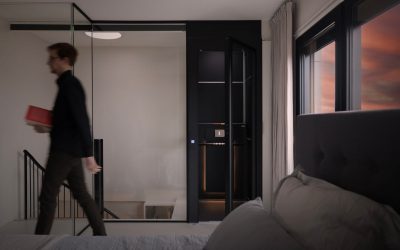
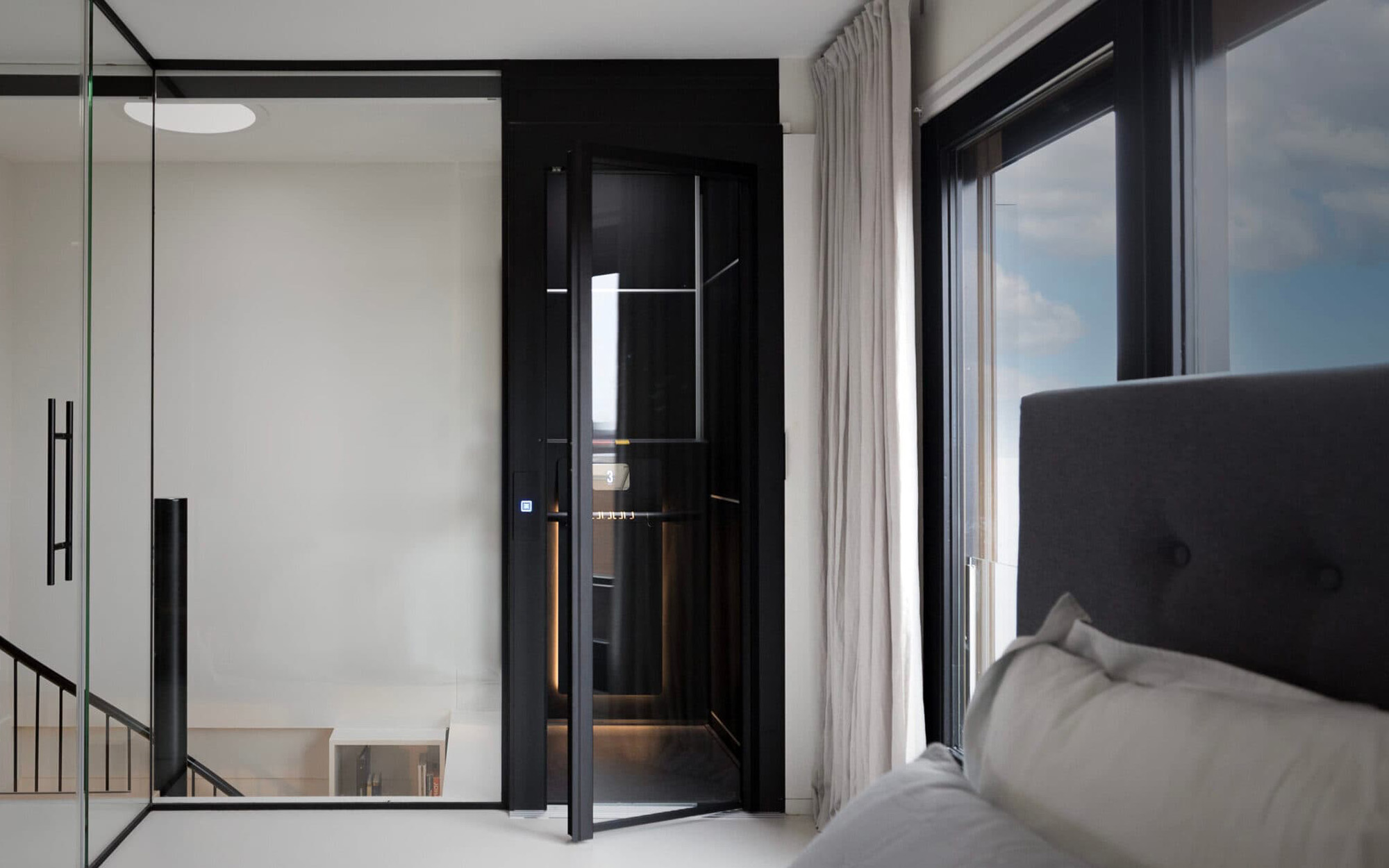
A standard cab with laminate walls and basic lighting sits at the low end of the range. Hardwood paneling, custom lighting, glass panels, and premium fixtures push the price higher. For homeowners investing in a custom home elevator in Central New York, the cab finish is where the elevator becomes part of the home’s design rather than just a functional addition.
Your home’s layout, staircase configuration, and accessibility goals all affect your final cost. Syracuse Elevator provides free, no-obligation consultations with detailed quotes specific to your property, so you know exactly what to expect before making a decision.
Comparing the Investment to the Alternatives
Home elevator costs look different when measured against what most families are actually weighing.
Home Elevator vs. Assisted Living or Moving
Assisted living facilities in New York average $4,500 to $6,000 per month. A single year of assisted living can cost more than a fully installed home elevator that lasts 20 to 25 years. Selling a two-story home to move into a single-story property carries its own costs: real estate commissions, closing costs, moving expenses, and the emotional weight of leaving a home your family has built a life in. For many Upstate New York homeowners, a residential elevator is the more practical and more affordable long-term path.
Tax Credits and ADA-Related Deductions
Home modifications made for medical necessity may qualify for a federal tax deduction as a medical expense, provided the cost exceeds 7.5% of adjusted gross income and the modification is prescribed by a physician. Some buyers also explore state-level programs and local aging-in-place grants. Syracuse Elevator can’t provide tax advice, but recommending that buyers consult a tax professional about ADA-related home modifications is one of the most frequently overlooked steps in the buying process. Competitors almost never mention it.
What Ownership Looks Like Over the Next 10 Years
The purchase price is the largest number, but it’s not the only number. Buyers evaluating home elevator costs should understand the ongoing cost of ownership before signing.
Maintenance Plans and Annual Inspections
New York requires annual inspections on residential elevators, and most manufacturers recommend quarterly or semi-annual maintenance visits to keep the warranty valid and the system running safely. A typical annual maintenance plan runs $300 to $600 depending on the equipment type. Syracuse Elevator offers maintenance programs that cover routine inspections, safety checks, and priority service calls, so unexpected repair costs stay manageable.
Expected Service Life by Product Type
Stairlifts generally last 10 to 15 years with proper maintenance. Home elevators, depending on the drive system, can last 20 to 30 years before a major modernization is needed. Hydraulic and cable-driven systems tend toward the longer end of that range. When you divide the installed cost of a home elevator over a 25-year service life, the annual cost of ownership often falls below $3,000 per year, less than a single month of assisted living.
Get an Accurate Quote for Your Upstate New York Home
The pricing ranges above give you a realistic starting point, but every home is different. The only way to know your actual cost is to have a qualified elevator installation company assess your space, discuss your goals, and provide a detailed proposal.
Syracuse Elevator has served homeowners across Central New York, the Southern Tier, and the Capital Region for over 70 years. As a residential elevator company and part of the Cibes Symmetry network, the team handles everything from initial design through installation, permitting, and long-term maintenance. Every consultation is free, every quote is specific to your home, and there’s no obligation to move forward until you’re ready. Reach out to start a conversation about what accessibility looks like for your home and budget.